Optimal Timing for Foundation Repairs
Foundation repairs are most effectively performed during specific times of the year when weather conditions are optimal. Temperature fluctuations, moisture levels, and ground stability significantly influence the success of repair projects. Understanding the ideal timing can help ensure long-lasting results and minimize potential complications.
Spring offers moderate temperatures and increased moisture levels, which can facilitate certain foundation repair methods. However, excessive rain may cause delays or complications.
Summer provides warm, dry conditions suitable for many repair techniques. Care must be taken to avoid extreme heat, which can affect curing times and material performance.
Fall is ideal due to cooler temperatures and stable ground conditions. Preparing repairs before winter can prevent further damage caused by freeze-thaw cycles.
Winter is generally not recommended due to freezing temperatures and frozen ground, which can hinder excavation and curing processes.
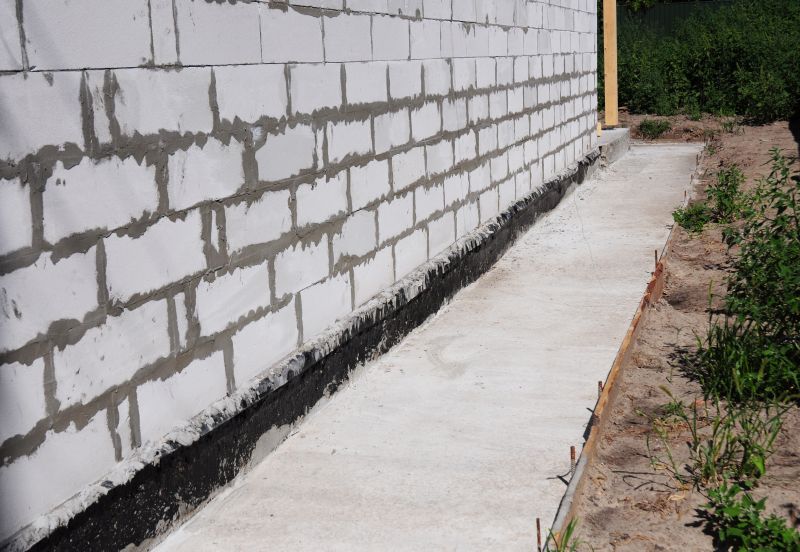
Spring's moist soil can aid in foundation stabilization efforts.
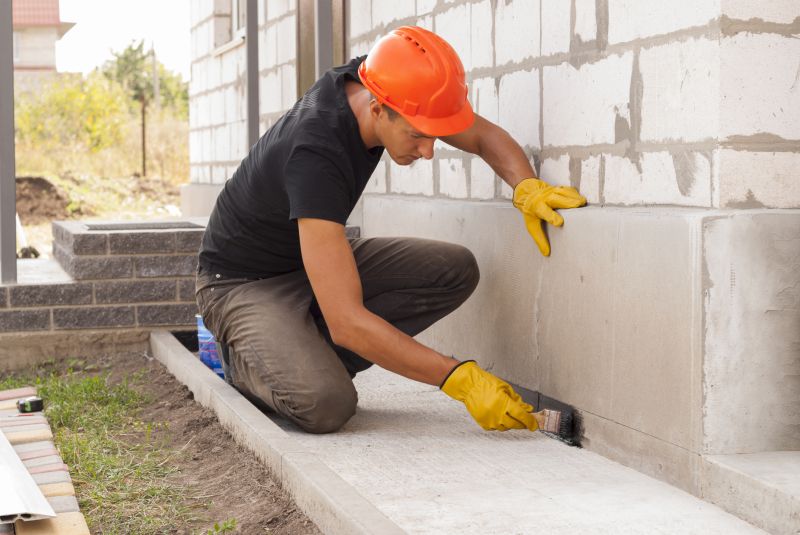
Warm, dry conditions support effective foundation repairs.
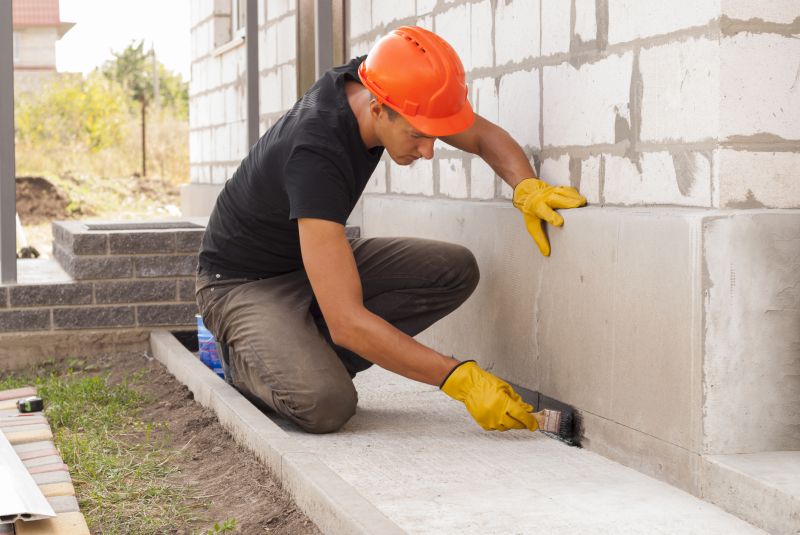
Preparing foundation repairs before winter prevents further damage.
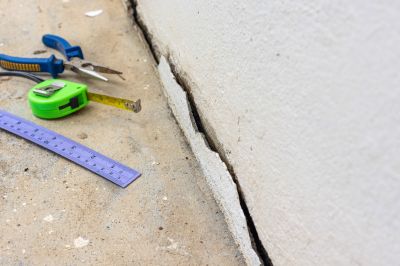
Ways to make Foundation Repairs work in tight or awkward layouts.
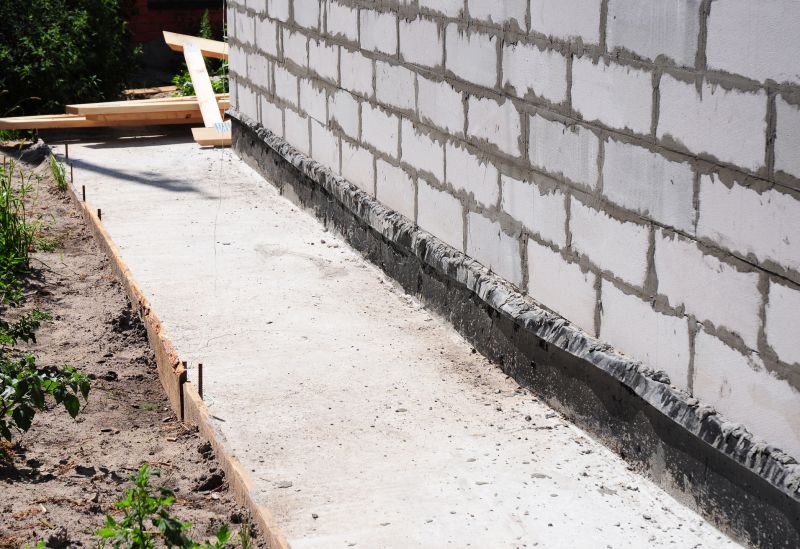
Popular materials for Foundation Repairs and why they hold up over time.
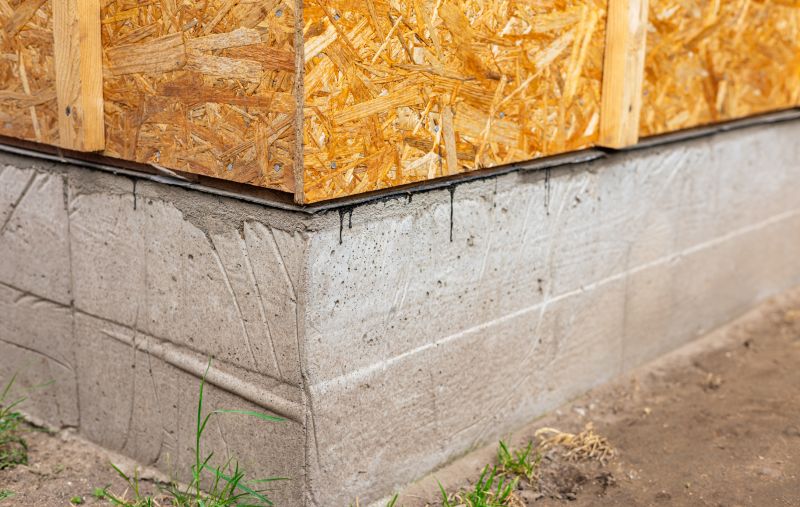
Simple add-ons that improve Foundation Repairs without blowing the budget.
| Season | Ideal Conditions |
|---|---|
| Spring | Moderate temperatures with increased moisture, potential for rain delays. |
| Summer | Warm and dry, suitable for most repair methods, avoid extreme heat. |
| Fall | Cooler temperatures, ground stability, and pre-winter preparation. |
| Winter | Freezing temperatures and frozen ground, generally unsuitable. |
Foundation repairs are essential for maintaining structural integrity and preventing further damage. The timing of repairs can influence the effectiveness and durability of the work performed. Proper scheduling during favorable weather conditions ensures the materials set correctly and reduces the risk of future issues caused by ground movement or moisture fluctuations. Regular inspections can help identify the optimal window for repairs before significant damage occurs.
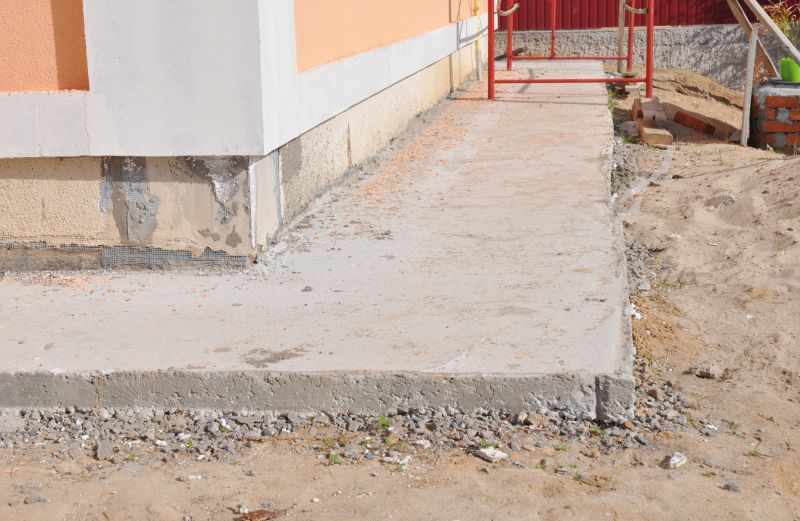
Proper timing enhances repair effectiveness.
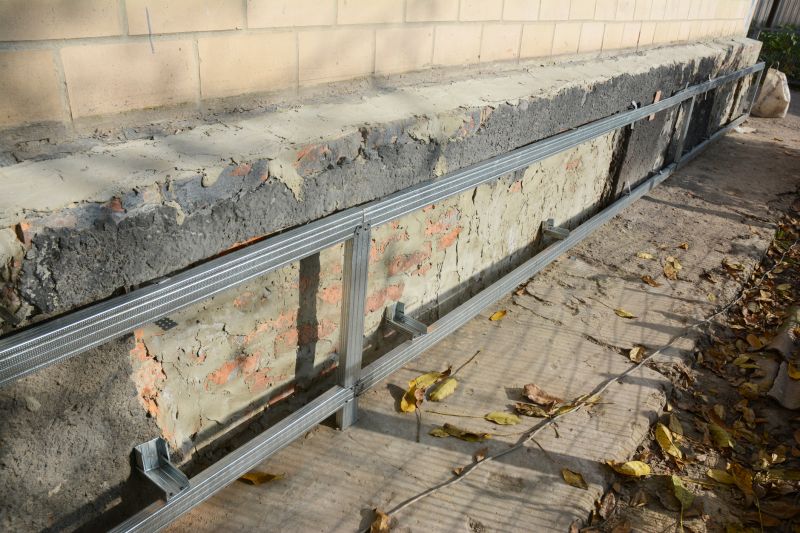
Optimal weather conditions support ground work.
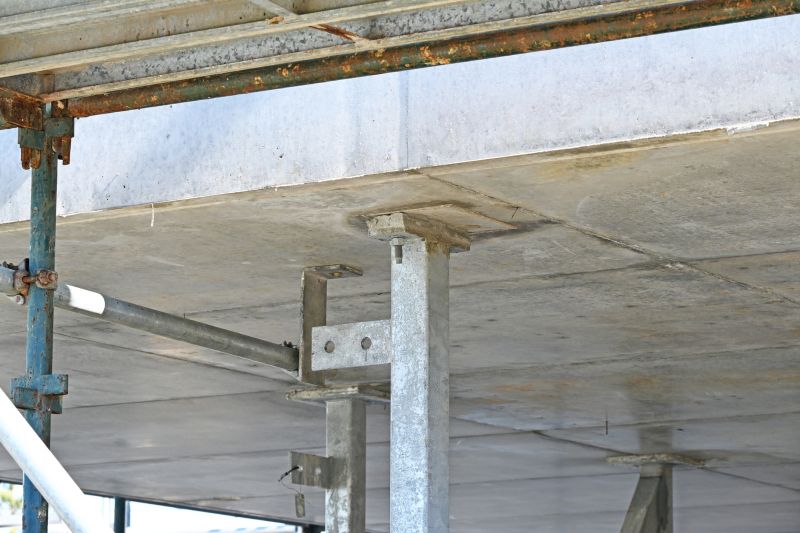
Timing helps ensure long-term stability.
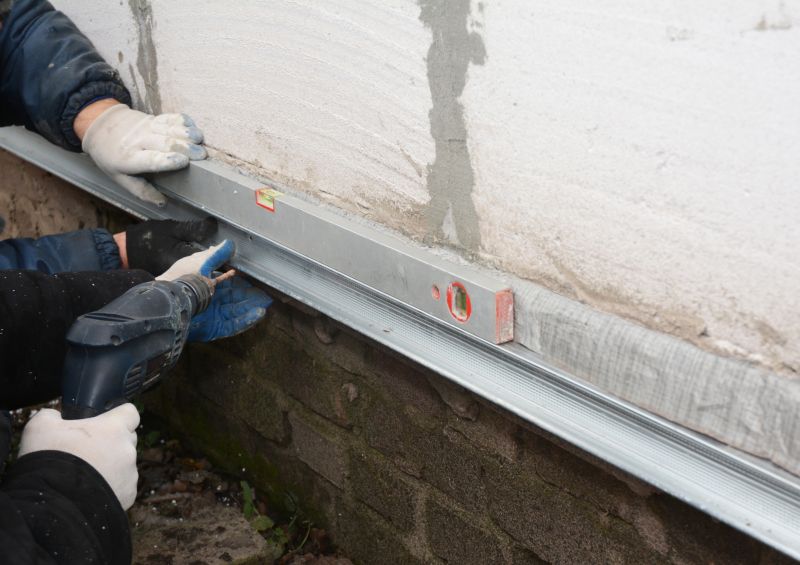
Weather impacts soil conditions for repairs.
Those considering foundation repairs should evaluate seasonal conditions to determine the most suitable time for their project. Consulting with a foundation specialist can provide insights into timing based on local weather patterns and soil conditions. Proper planning and timing can lead to more effective repairs, reduced costs, and increased longevity of the foundation.
Interested in foundation repairs? Filling out the contact form can help schedule an assessment during the optimal season for your property's needs. Proper timing ensures the best results and long-term stability for structures in Lapeer, MI.